The Hidden Chain Reaction: How Small Transmission Issues Turn into Major Failures
Most vehicle owners don't think much about their transmission—until something goes wrong. Unfortunately, what starts as a minor transmission issue can quickly trigger a chain reaction of damage that leads to costly repairs, unexpected breakdowns, and even complete transmission failure.
Understanding the warning signs and acting early can save you thousands of dollars and keep your vehicle safely on the road.
It Usually Starts Small
Transmission problems rarely appear overnight. In many cases, the first symptoms seem minor enough to ignore:
- Slight hesitation when shifting gears
- Delayed engagement when moving into Drive or Reverse
- Unusual noises during acceleration
- Occasional slipping between gears
- Small transmission fluid leaks
Because these issues may come and go, many drivers assume they're not serious. However, transmissions are highly complex systems that rely on proper fluid pressure, lubrication, and precise mechanical operation. Even a small problem can disrupt the entire system.
Step One: Fluid Problems Begin
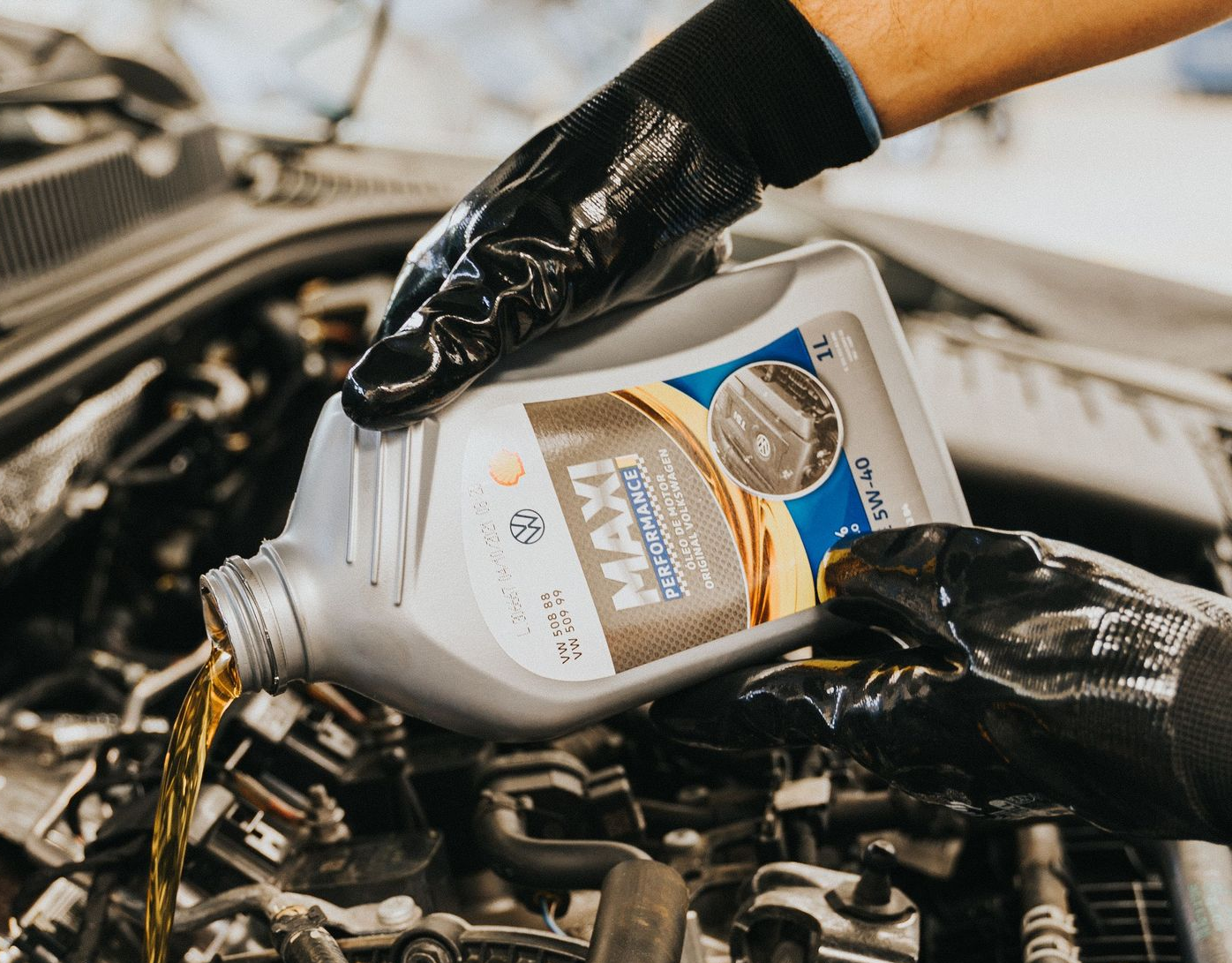
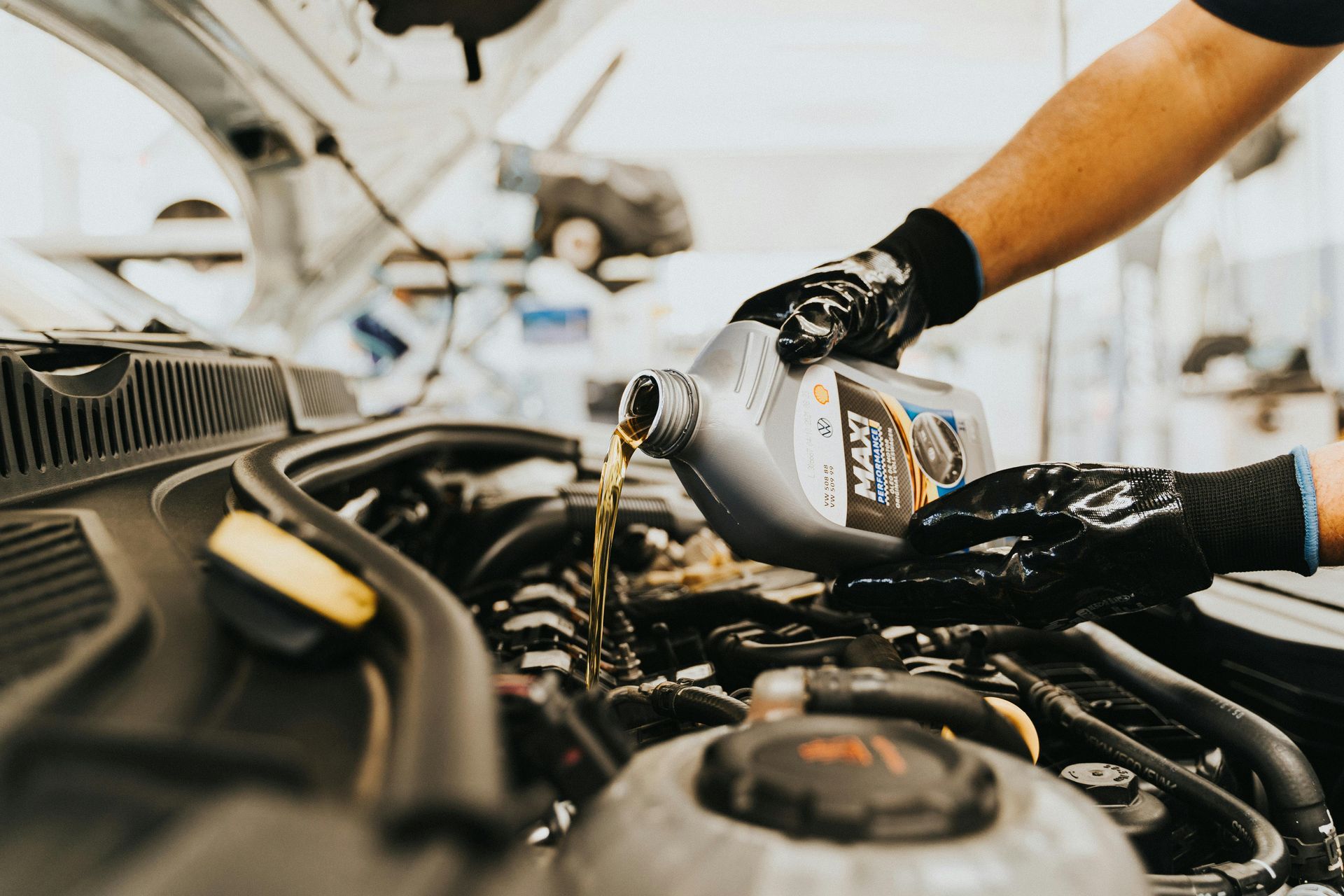
Transmission fluid serves several critical functions:
- Lubricates moving components
- Helps regulate operating temperature
- Provides hydraulic pressure for gear changes
- Prevents excessive wear
A minor leak or degraded fluid may not seem urgent, but low or contaminated fluid increases friction and heat inside the transmission. As temperatures rise, internal seals, clutch packs, and other components begin to wear more rapidly.
Step Two: Excessive Heat Causes Damage
Heat is one of the leading causes of transmission failure.
When fluid levels drop or components begin slipping, temperatures can rise beyond safe operating ranges. Overheated transmission fluid loses its ability to lubricate and protect internal parts effectively.
This creates a cycle:
- Heat causes wear.
- Wear creates more friction.
- Friction generates additional heat.
- Damage accelerates throughout the transmission.
Without intervention, this cycle can quickly escalate.
Step Three: Internal Components Start Failing
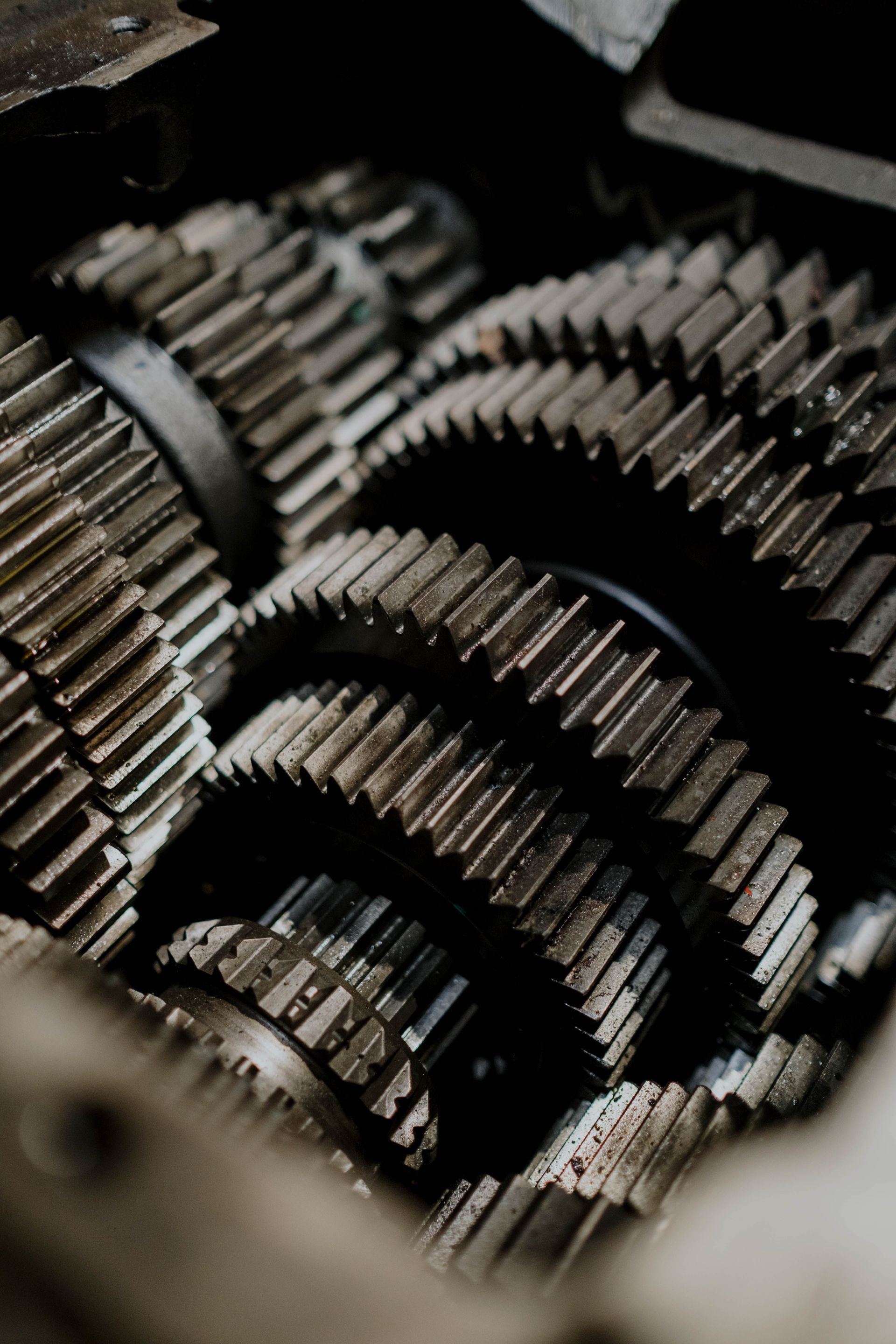
As heat and friction increase, critical components begin to suffer damage, including:
- Clutch packs
- Bands
- Solenoids
- Bearings
- Valve bodies
What may have been a simple seal replacement or fluid service can eventually require extensive repairs. In severe cases, the transmission may need a complete rebuild or replacement.
Step Four: Vehicle Performance Declines
A struggling transmission affects more than just shifting.
Drivers may notice:
- Reduced fuel efficiency
- Poor acceleration
- Jerking or hard shifting
- Loss of power
- Increased engine strain
These issues can compromise both performance and safety, especially during highway driving or heavy traffic conditions.
Step Five: Complete Transmission Failure
Eventually, the transmission may stop functioning altogether.
At this stage, drivers can experience:
- Inability to shift gears
- Vehicle refusing to move
- Sudden loss of power
- Unexpected breakdowns
Complete failure often results in significantly higher repair costs than addressing the original problem when symptoms first appeared.
How to Prevent the Chain Reaction
The best way to avoid major transmission repairs is through proactive maintenance and early diagnosis.
Key preventive steps include:
- Regular transmission fluid inspections
- Following manufacturer service intervals
- Addressing leaks immediately
- Scheduling inspections when warning signs appear
- Having transmission concerns evaluated by experienced professionals
Early detection often allows technicians to identify and correct minor issues before they become major failures.
Trust Bucholtz Transmission to Keep You Moving
If you've noticed slipping gears, delayed shifting, transmission leaks, unusual noises, or any other transmission concerns, don't wait for a small issue to become a costly repair.
The experienced team at Bucholtz Transmission provides professional diagnostics, maintenance, repairs, and transmission services designed to keep your vehicle performing at its best. Contact us today to schedule an inspection and protect your transmission before minor problems turn into major failures. We proudly serve Buffalo, NY and the surrounding areas.